
Fascinating Chemistry.
Spectacular Show Experiments.
Reproducible, pedagogically grounded, and laboratory-validated show experiments with a true wow factor. Designed for inspiring use in high schools, colleges, and university lectures.
All Show Experiments
12 lab-tested highlights with wow effect, hazard assessment, and curriculum integration (Found: 12 show experiments)
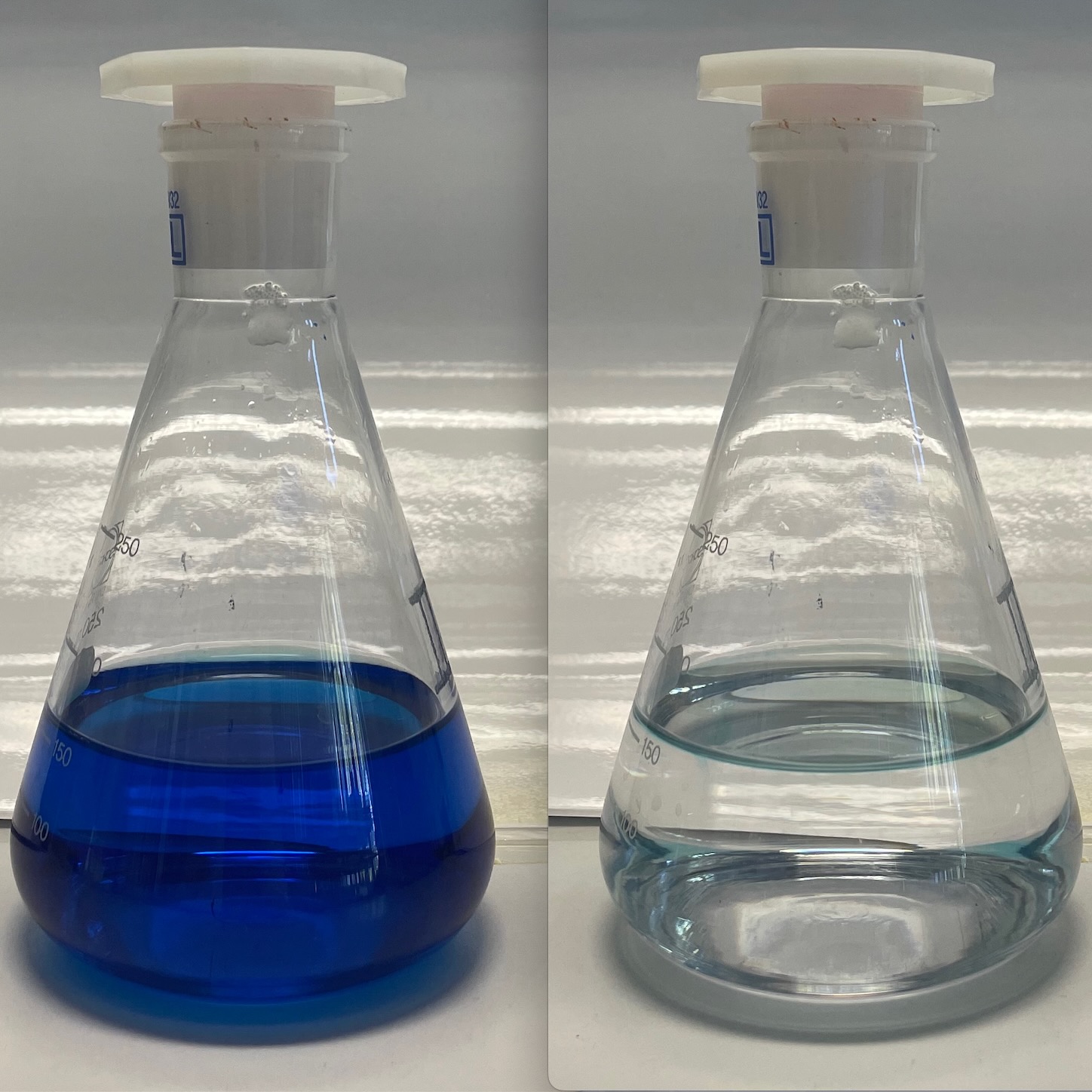
Blue Bottle
The "Blue Bottle" experiment is a classic reversible redox reaction between methylene blue, glucose, and atmospheric oxygen in alkaline solution, featuring a stunning cyclic color change from blue to colorless to blue.
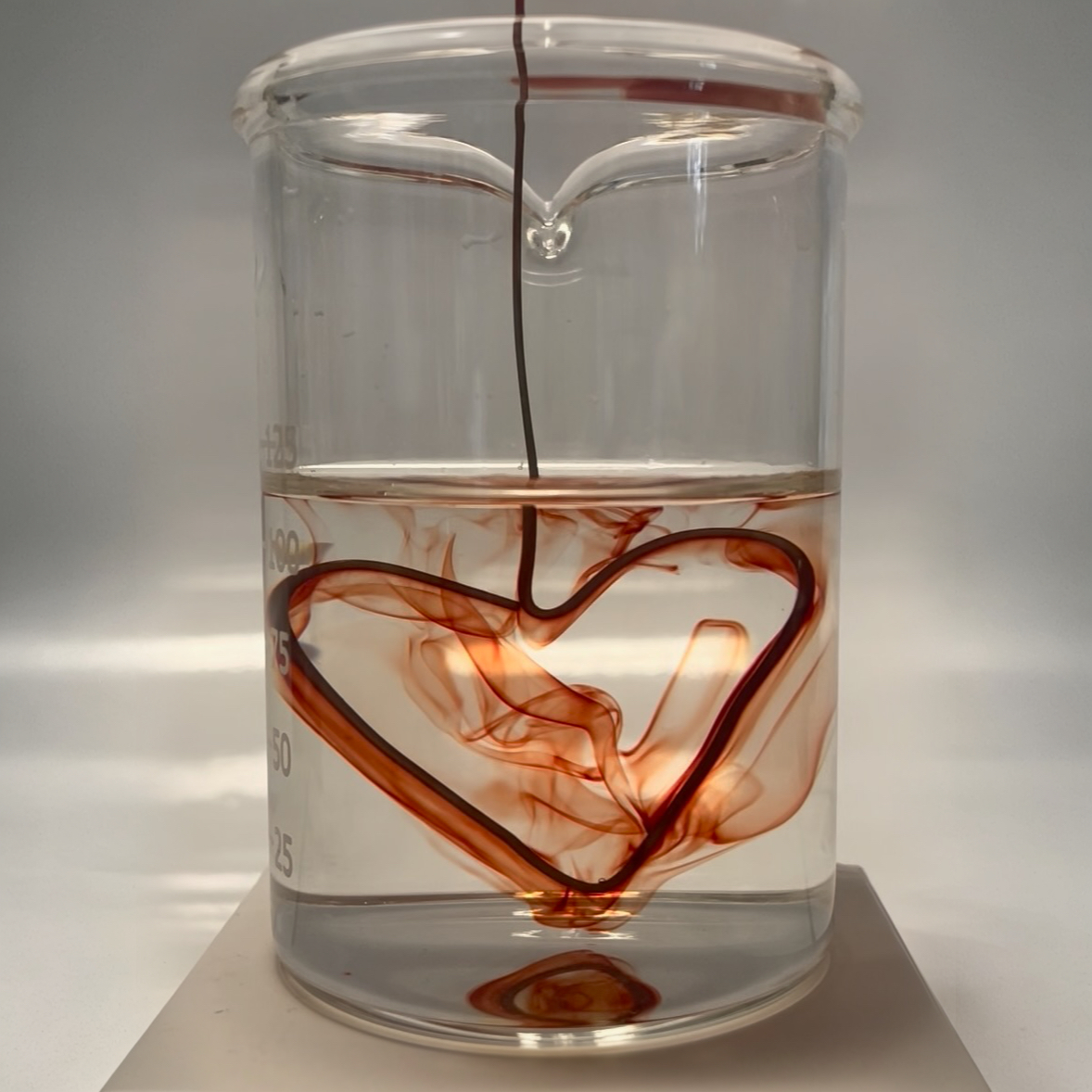
Bleeding Iron Heart
In "Bleeding Iron Heart", a heart formed from iron wire appears to bleed: upon dipping into a clear solution, dramatic blood-red streaks of iron(III) thiocyanate complex cascade downwards.
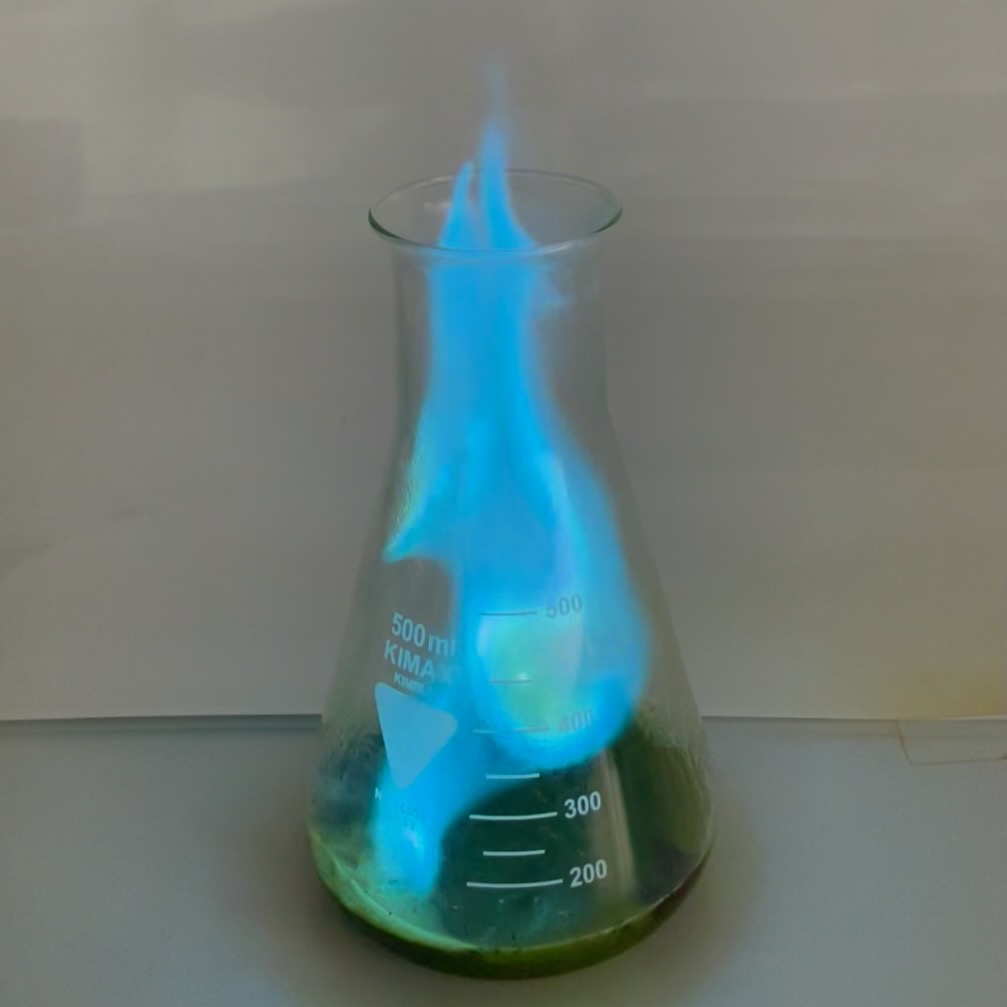
Blue Flame
The "Blue Flame" experiment produces hydrogen gas via reaction of aluminum and hydrochloric acid with copper catalyst, which ignites at the neck of the flask with a vibrant blue flame.
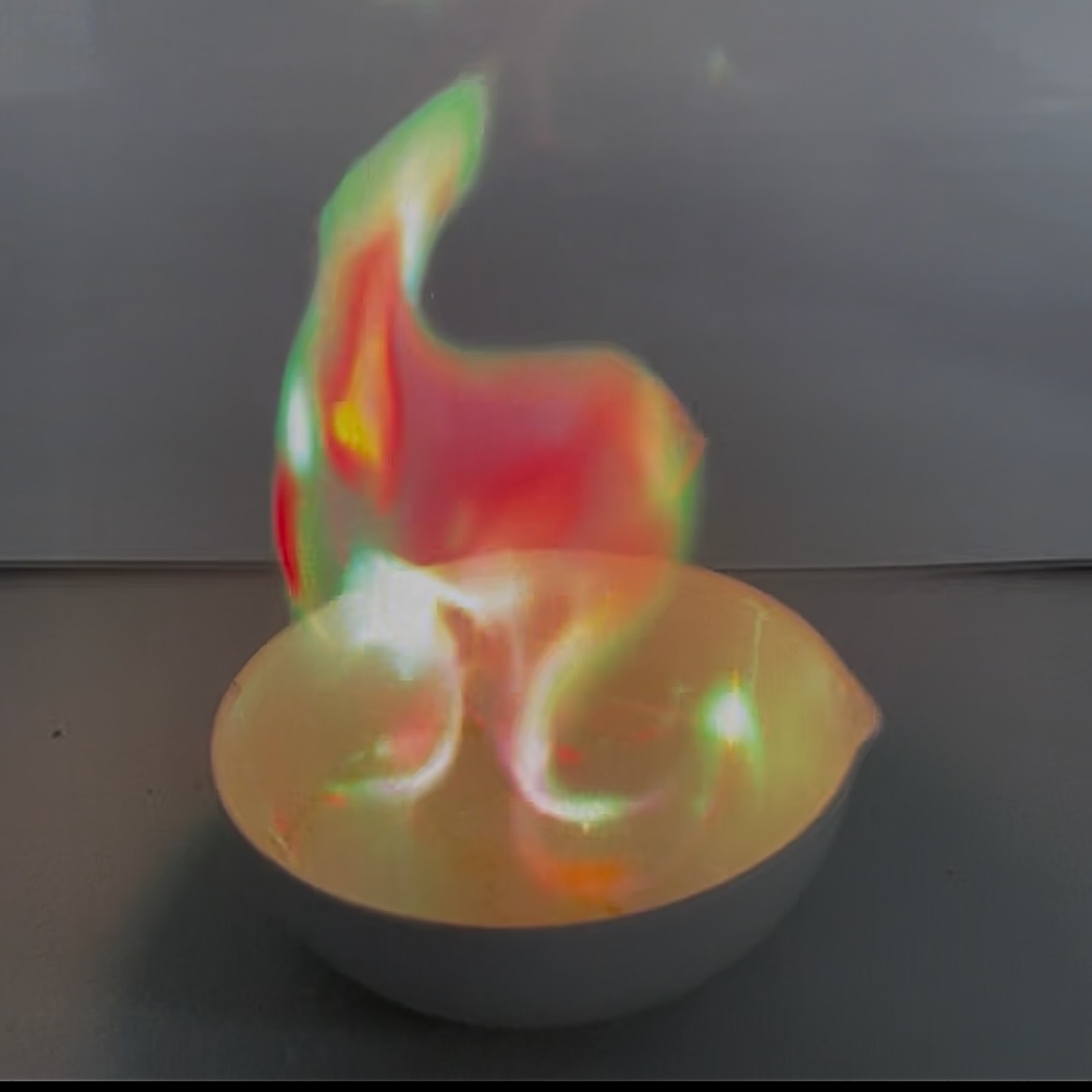
Colorful Flame Tests
In "Colorful Flame Tests", an almost invisible methanol flame is turned into a rainbow of brilliant colors by dusting various metal chloride salts into the burner flame.
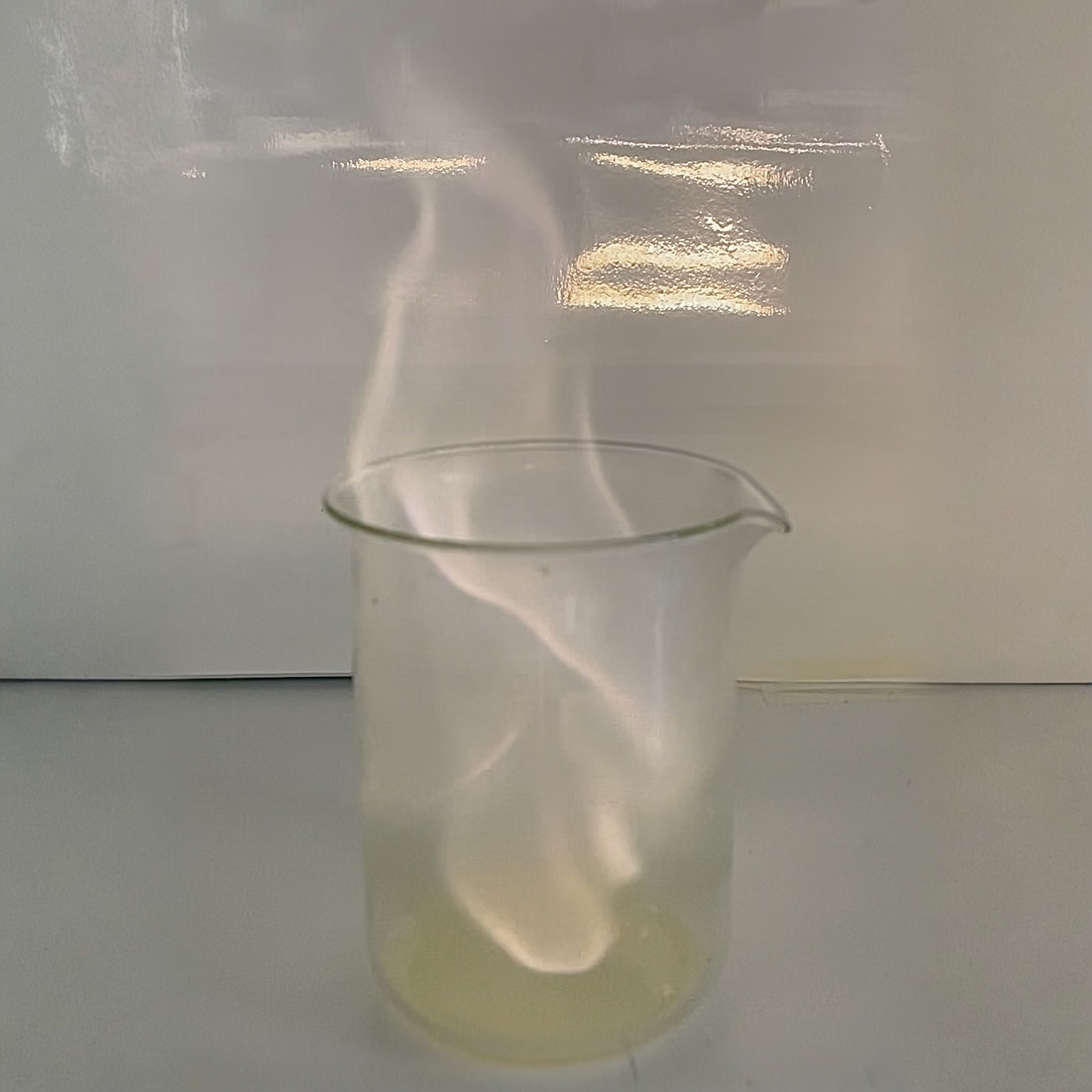
Ghost Flame
In the "Ghost Flame" demonstration, freshly synthesized isopropyl nitrite burns with an eerie, radiant white-hot flame without generating heavy black soot.
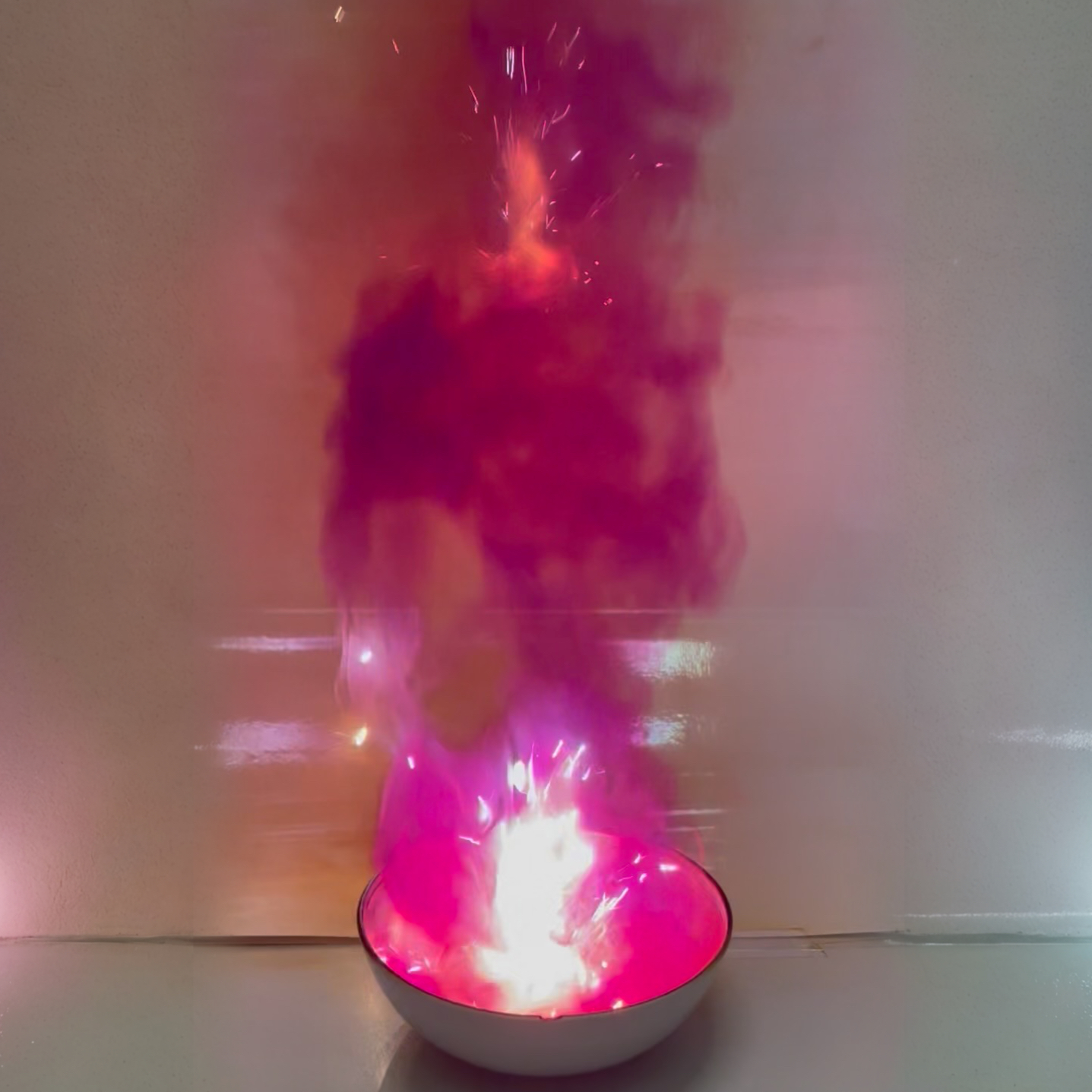
Aluminum-Iodine Volcano
The "Aluminum-Iodine Volcano" unleashes a vigorous exothermic reaction upon adding just drops of water to dry aluminum and iodine powders, billowing majestic purple iodine smoke and violet flames.
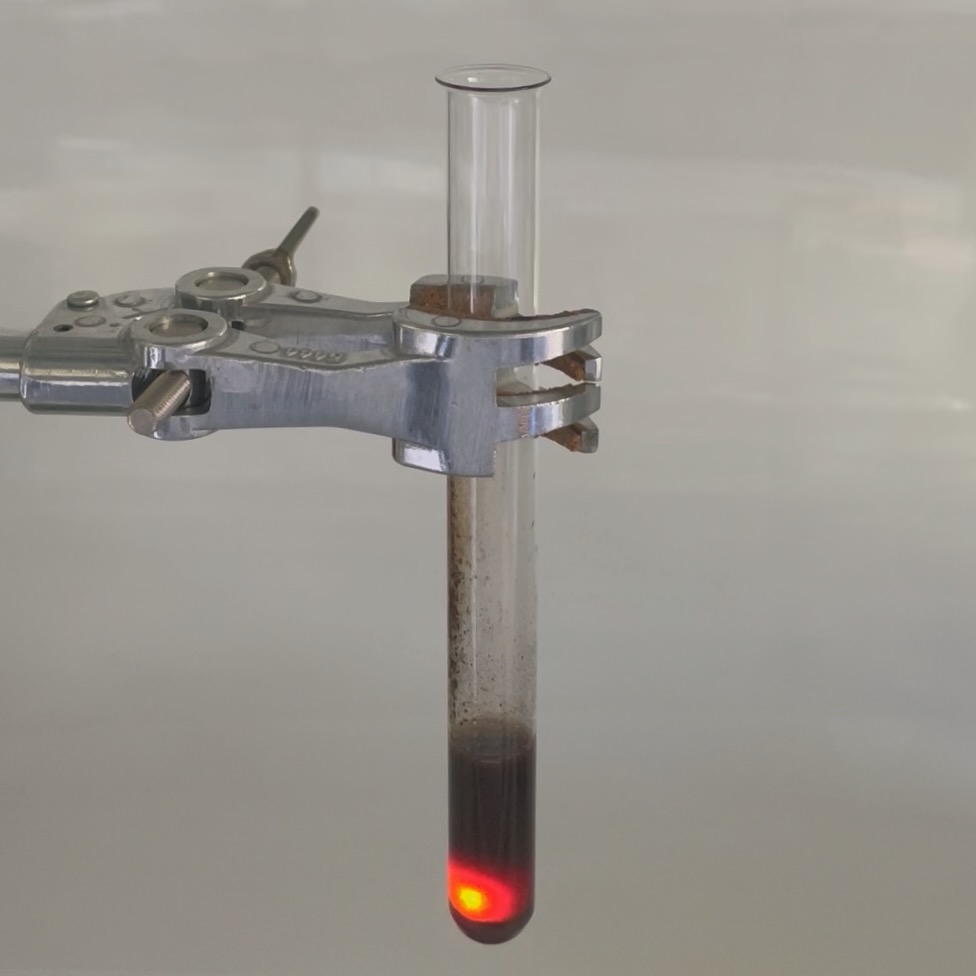
Underwater Lightning
The "Lightning" experiment generates brilliant underwater spark discharges and soft crackling at the boundary layer between concentrated sulfuric acid, ethanol, and potassium permanganate.
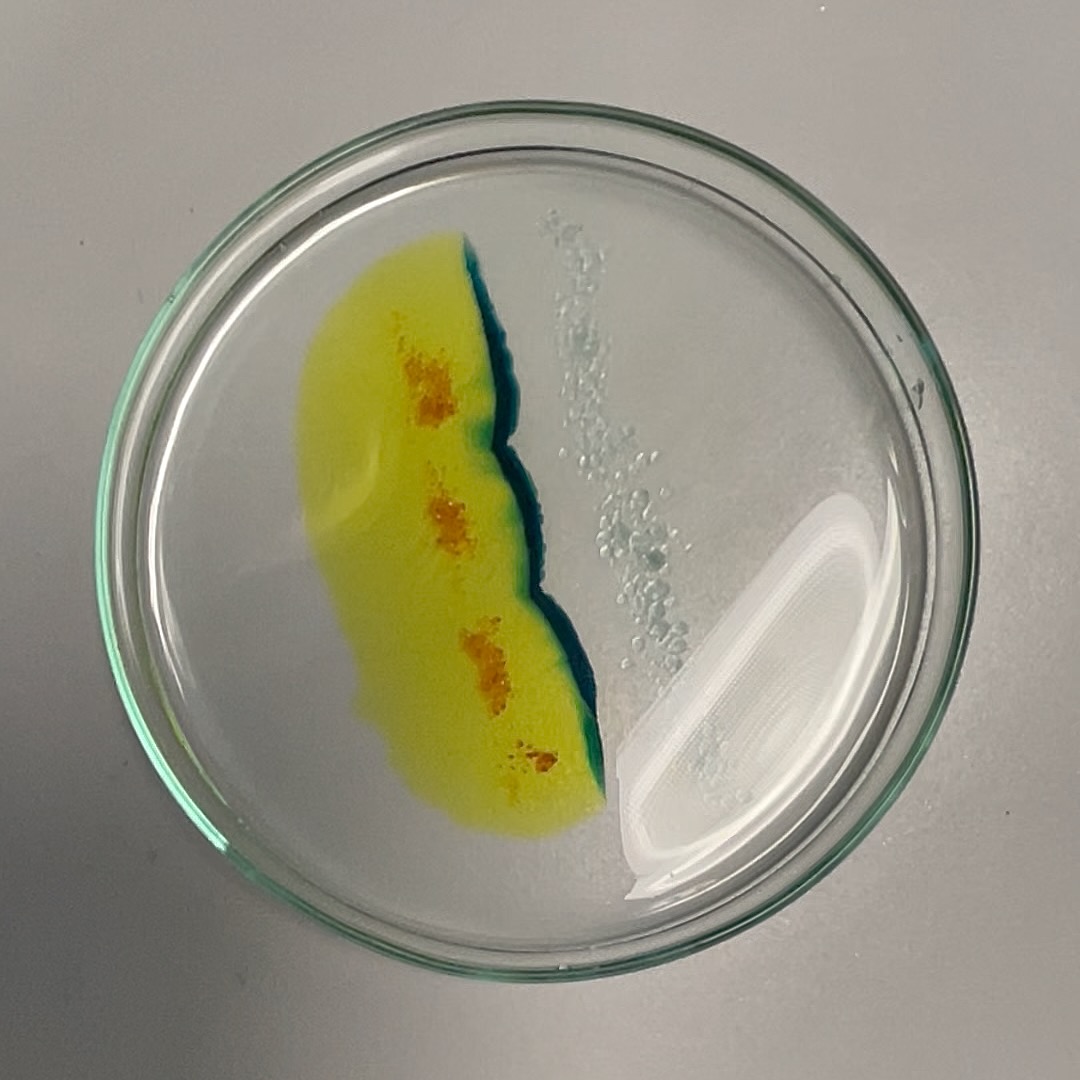
Blue Wave
In the "Blue Wave" experiment, Prussian blue precipitates along the interface between dissolved iron(II) sulfate and potassium ferricyanide in glycerol, spreading in mesmerizing undulating waves.
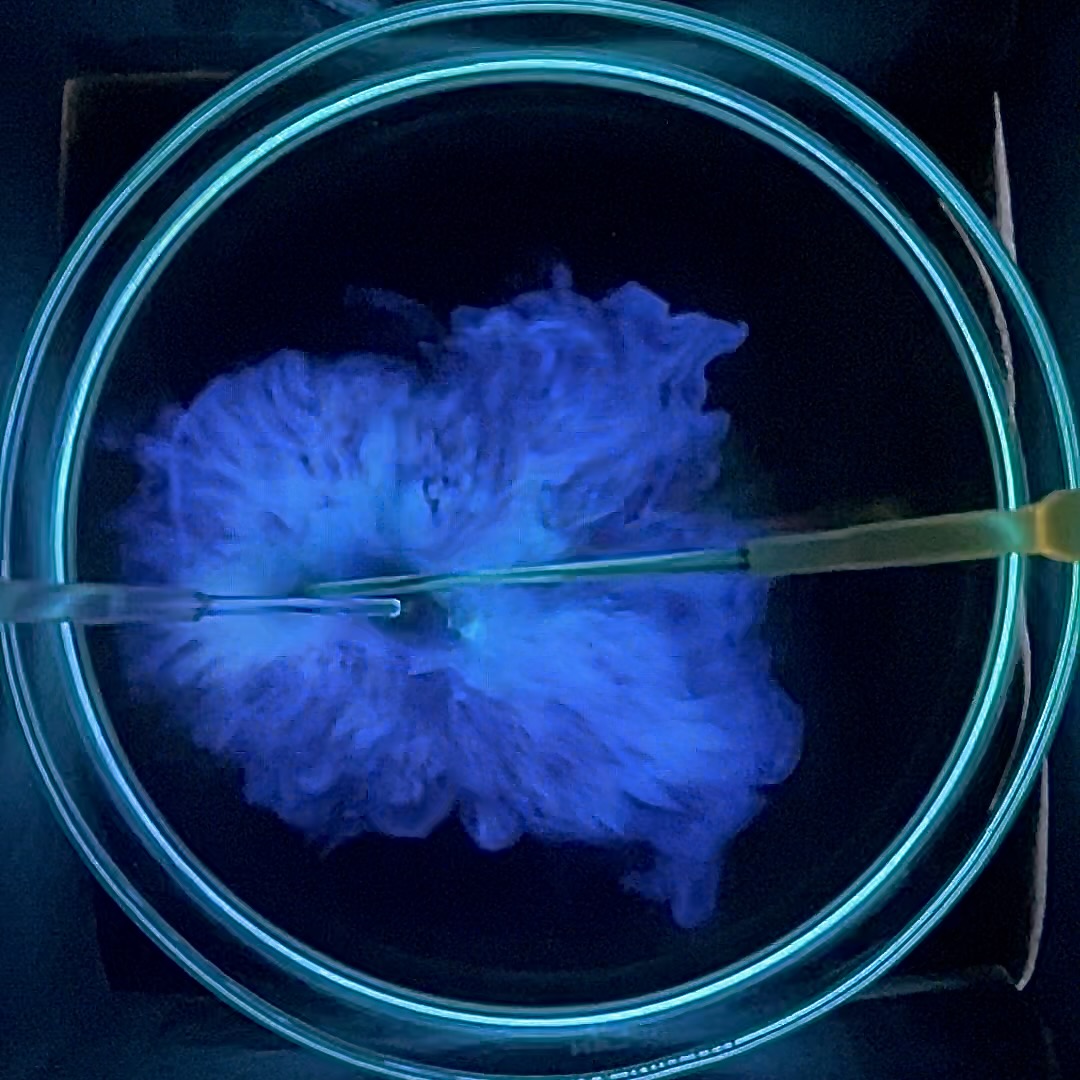
Blue Glow (Luminol)
In the "Blue Glow" experiment, an alkaline solution of luminol and hydrogen peroxide emits an intense blue glow in the dark upon iron catalysis through chemiluminescence.
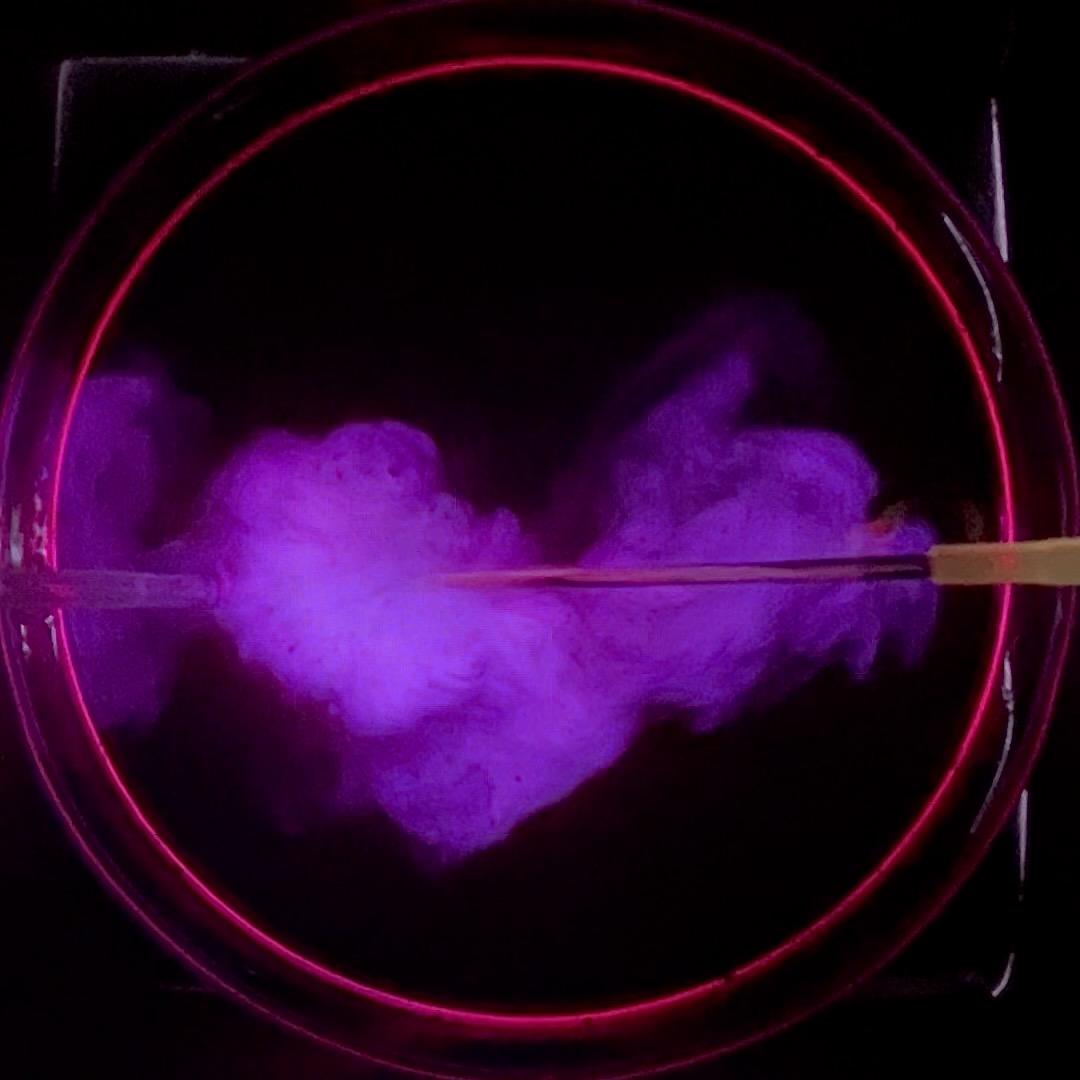
Violet Glow
The "Violet Glow" experiment demonstrates how energy from luminol chemiluminescence is transferred to Rhodamine B, creating an enchanting deep violet luminescence.
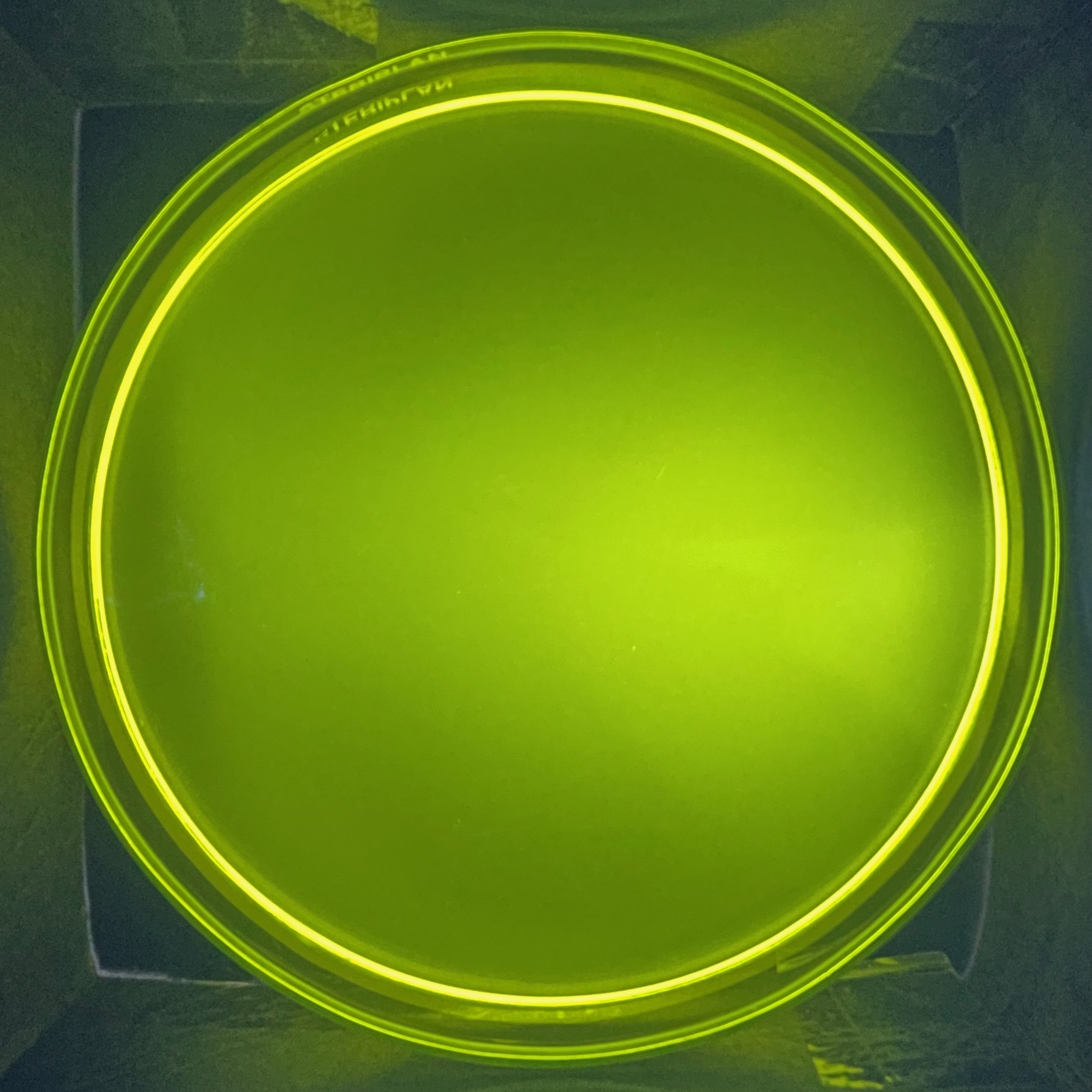
Yellow Glow (Riboflavin)
In "Yellow Glow", a filtered aqueous solution of riboflavin (vitamin B2) exhibits brilliant golden-yellow fluorescence when irradiated with ultraviolet light.
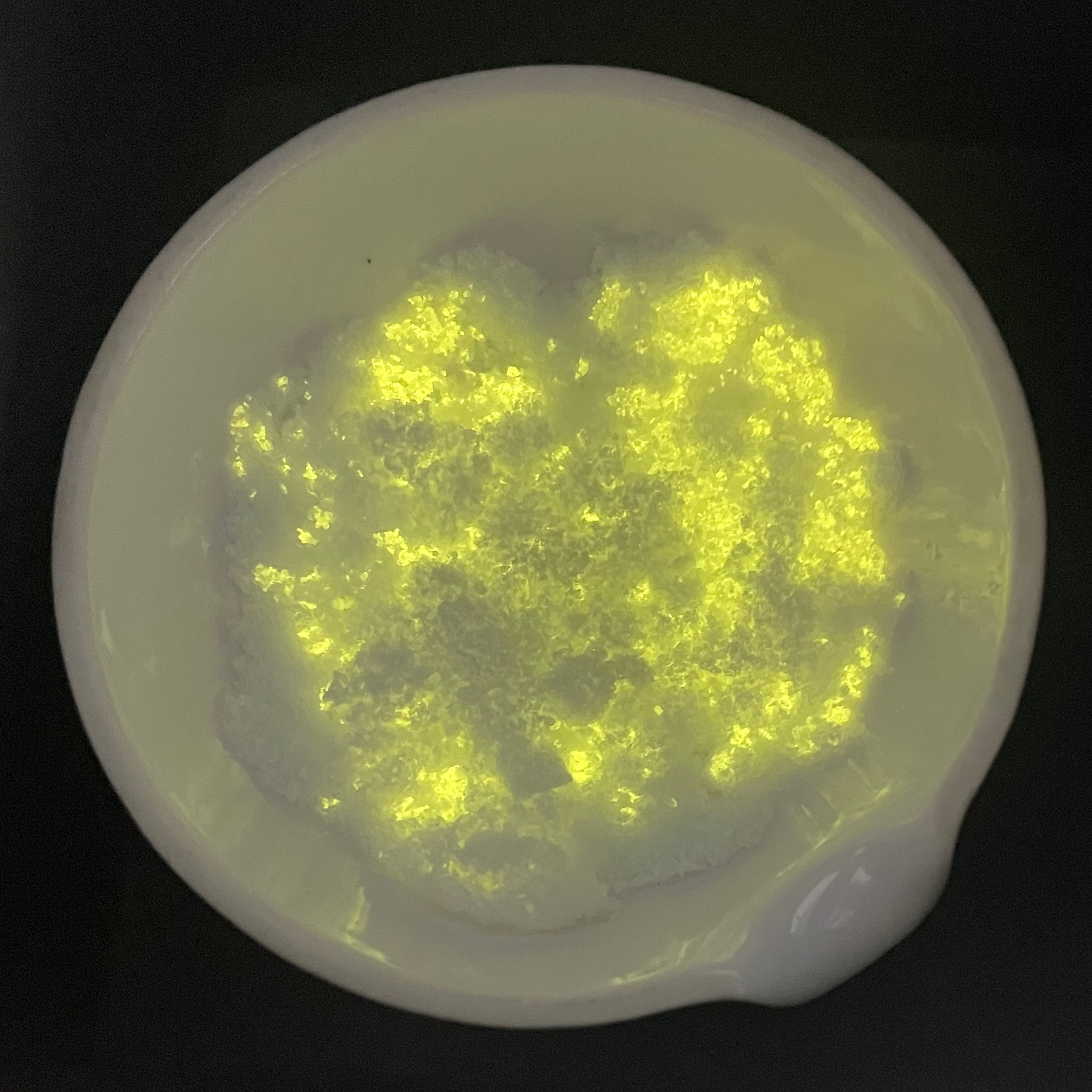
City of Lights
In "City of Lights", tin(II) ions embedded in a magnesium chloride lattice form an inorganic luminophore that shines brightly like a nighttime skyline under UV light.
Why Show Experiments in Chemistry Education?
Many students enter chemistry classes with immense curiosity and anticipation. Over time, however, this initial enthusiasm often gives way to the realization that chemistry does not merely consist of colorful flames and magic flashes, but largely of abstract models, formulas, and diagrams.
This is precisely where pedagogical show experiments excel: sensibly embedded into the curriculum, they captivate attention, stimulate intrinsic motivation, and bridge sensory wonder with rigorous chemical theory.
All experiment protocols on this platform were conceived during a chemistry education research internship at Ludwig Maximilian University of Munich (LMU) by Anna Wallner, Sophie Lößl, and Jörg Stierstorfer, and rigorously tested for absolute reproducibility and safety in the lab.
Each experiment provides step-by-step procedures, risk assessments, theoretical explanations, literature citations, and direct alignment with educational curricula (LehrplanPLUS).
Safety Guidelines & GHS Pictograms
Principles for the safe preparation, execution, and disposal of chemical demonstration experiments
The demonstration experiments presented on this website are designed for educational use in schools and universities. They are intended strictly for teachers, lecturers, and individuals with proper chemical training. Prior to any execution, a risk assessment must be performed according to applicable hazardous substance regulations. Wearing full PPE (safety goggles with side shields, closed cotton lab coat, and appropriate gloves) as well as working under a fume hood or behind a protective blast shield is strictly mandatory where indicated.
All experiments are carried out at your own risk. No liability is assumed for personal injury, property damage, or consequential damages.
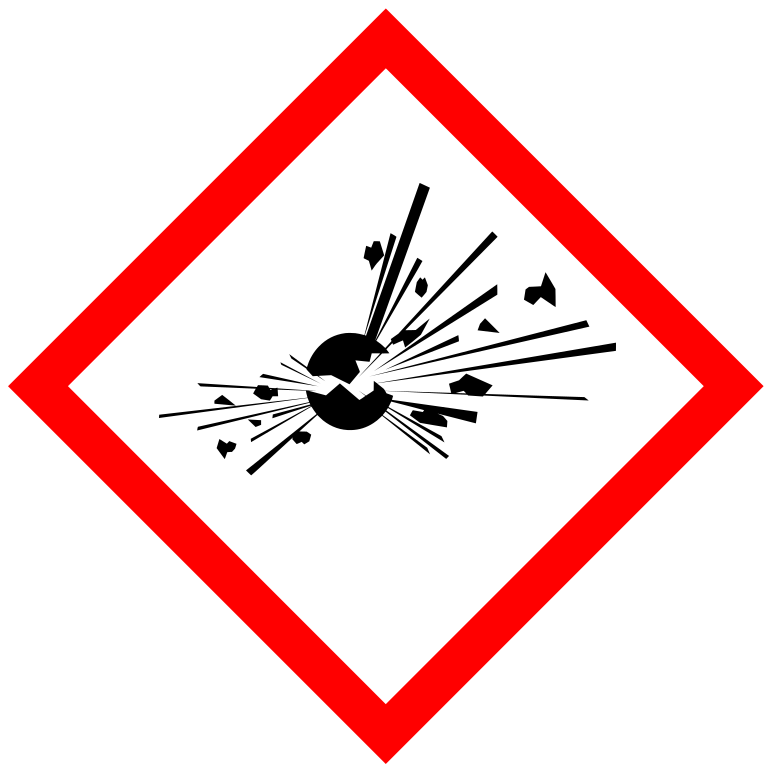
Explosives (Class 1)
Explosive mixtures, energetic materials, or oxyhydrogen.
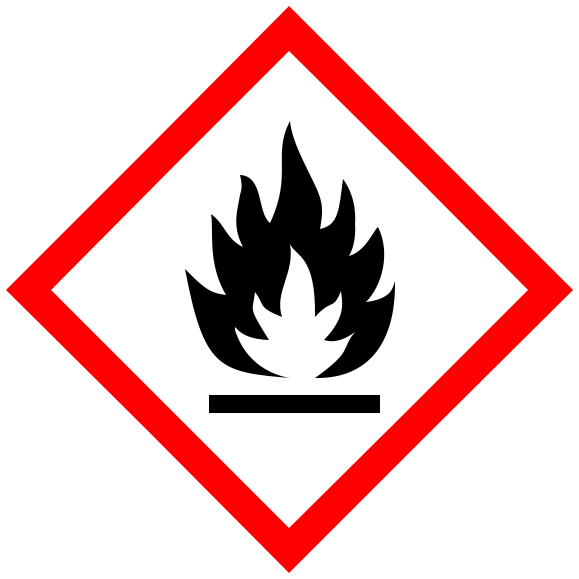
Flammable
Flammable gases, liquids, and aerosols (e.g. H₂, ethanol).
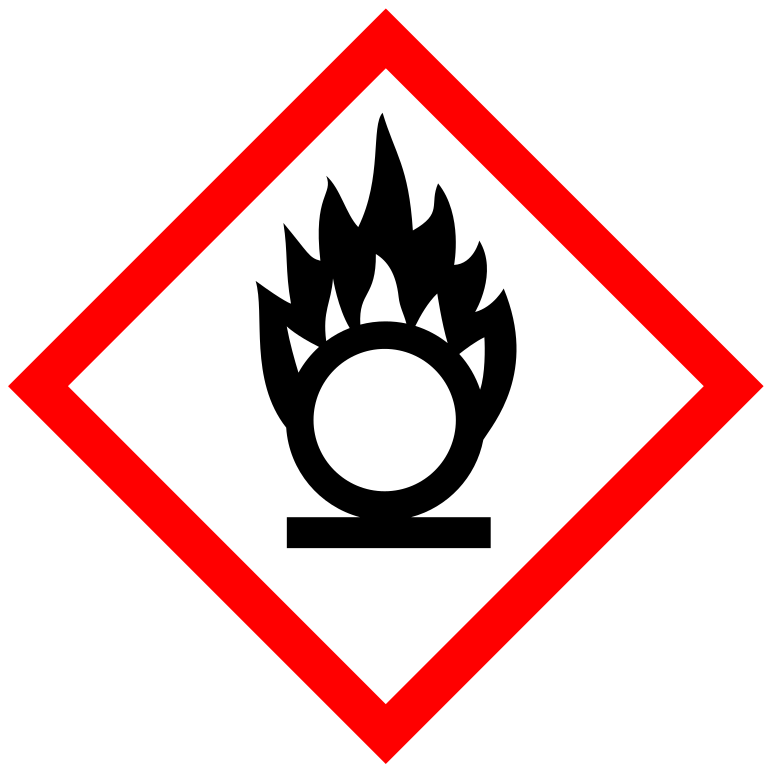
Oxidizing
Oxidizing substances that intensify fire (e.g. H₂O₂ 30%).
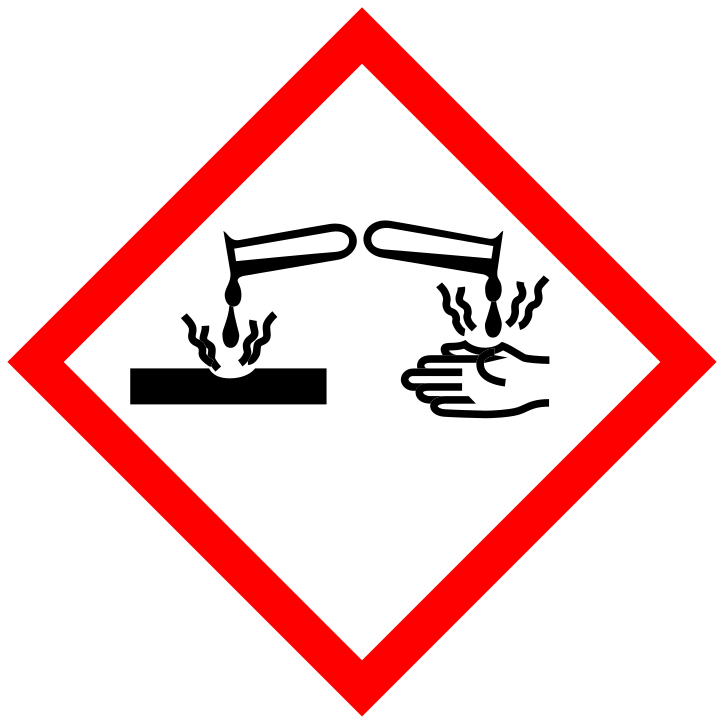
Corrosive
Skin corrosion, severe eye damage, and metal corrosive.
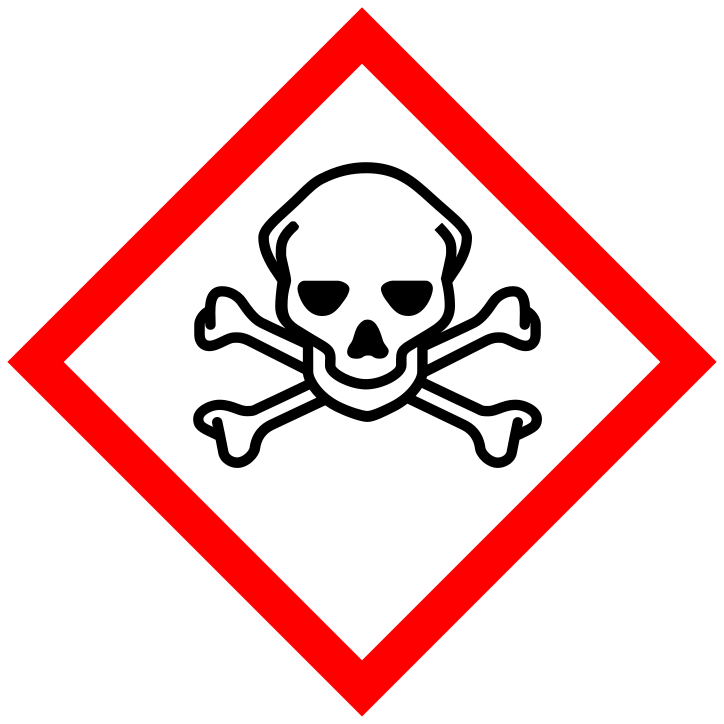
Acute Toxicity
Categories 1–3: toxic or fatal if swallowed, in contact with skin or inhaled.
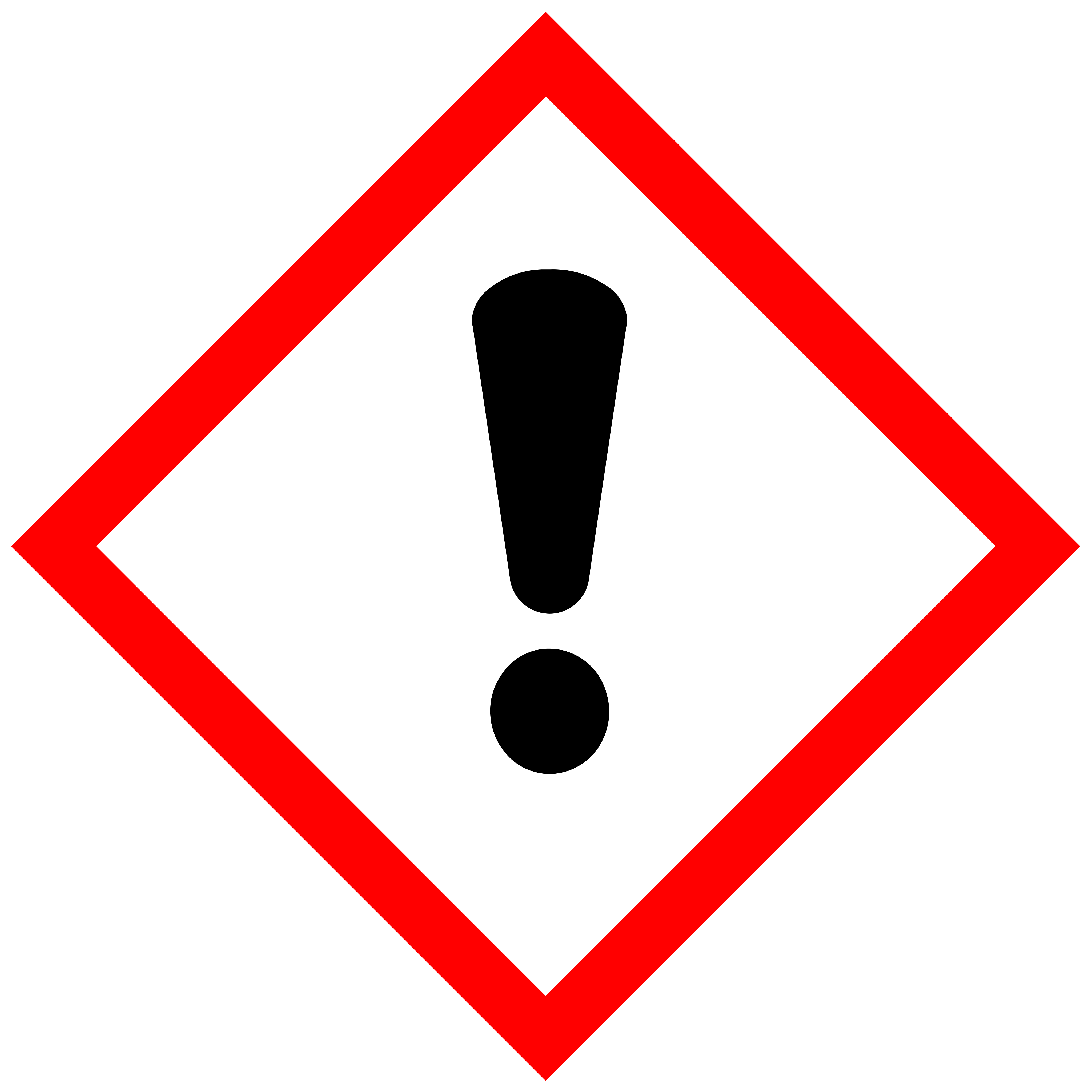
Harmful / Irritant
Skin/eye irritation or harmful if swallowed.
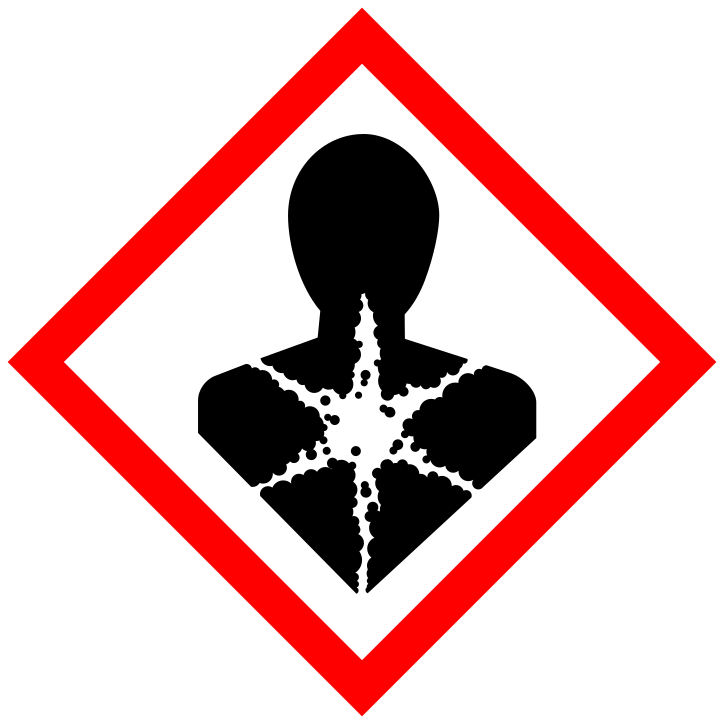
Health Hazard
CMR substances: carcinogenic, mutagenic, reprotoxic; aspiration hazard, respiratory sensitization, specific target organ toxicity.
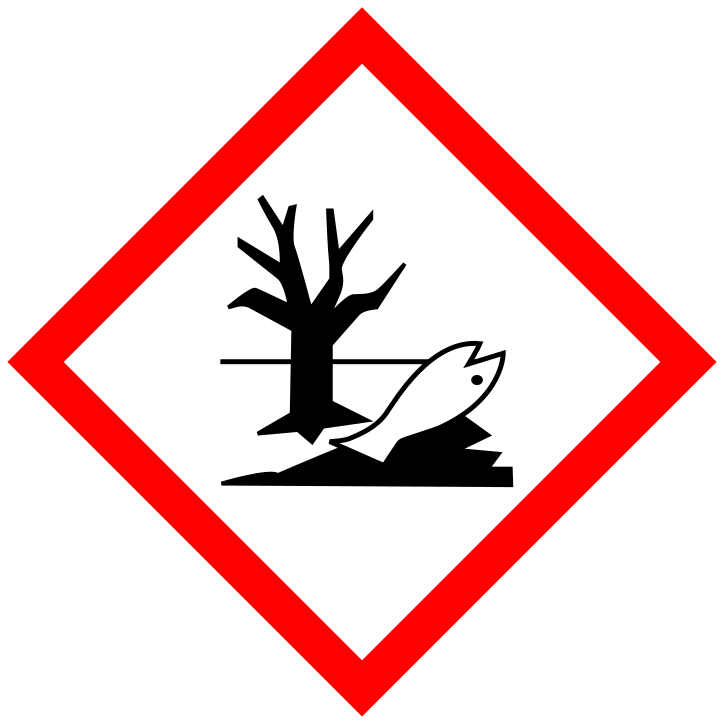
Environmental Hazard
Toxic to aquatic life with long lasting effects.

EMTO GmbH – Energetic Materials Technology
EMTO GmbH represents premier expertise in thermal analysis, custom chemical synthesis, and safety testing of energetic materials. As a partner of The Chemistry of WOW, we champion passion, precision, and scientific excellence in education across schools and universities.