
Safety & Hazardous Substance Management
Principles for the safe planning, preparation, demonstration, and compliant disposal of spectacular show experiments in schools and universities.
Important Safety Notice & Disclaimer
The demonstration experiments presented on this website are designed for educational use in schools, lecture halls, and universities. They are intended strictly for teachers, lecturers, and persons with verified chemical training.
Prior to each demonstration, experiments must be thoroughly prepared and a risk assessment conducted in accordance with applicable chemical safety regulations. This strictly requires wearing complete Personal Protective Equipment (PPE: safety goggles with side protection, closed cotton lab coat, and appropriate protective gloves), ensuring a functional fume hood or mobile blast shield is deployed where indicated, and observing all local waste disposal guidelines.
Disclaimer: Execution of all experiments is undertaken solely at your own risk and responsibility. No liability whatsoever is assumed for personal injury, property damage, or consequential damages resulting from the execution or imitation of the demonstration guides provided.
Overview of GHS Hazard Pictograms
The Globally Harmonized System (GHS) classifies hazardous substances by physical, health, and environmental properties. The following 8 primary pictograms are essential for demonstration experiments:
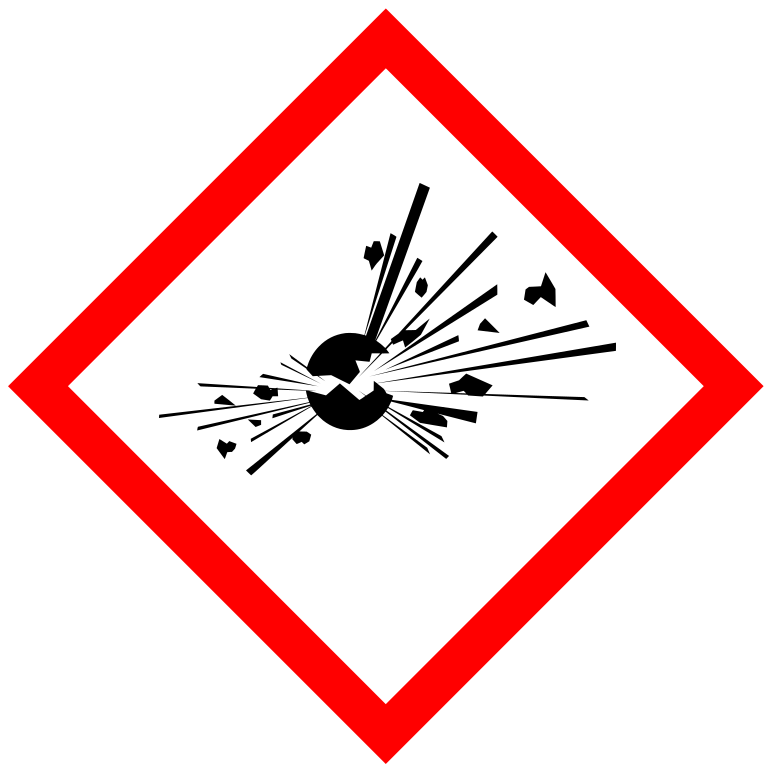
Explosives (Class 1)
Explosive substances, mixtures, and pyrotechnic articles (e.g. high-energy materials, oxyhydrogen gas, nitrocellulose).
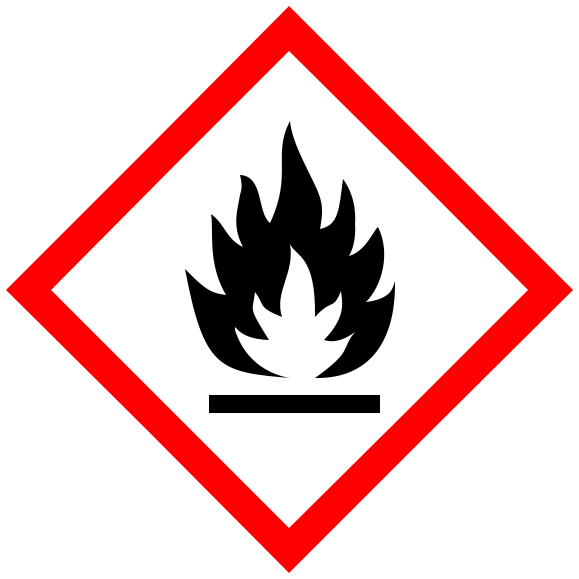
Flammable
Flammable gases, liquids, and aerosols (e.g. hydrogen, ethanol, methanol, diethyl ether, heptane).
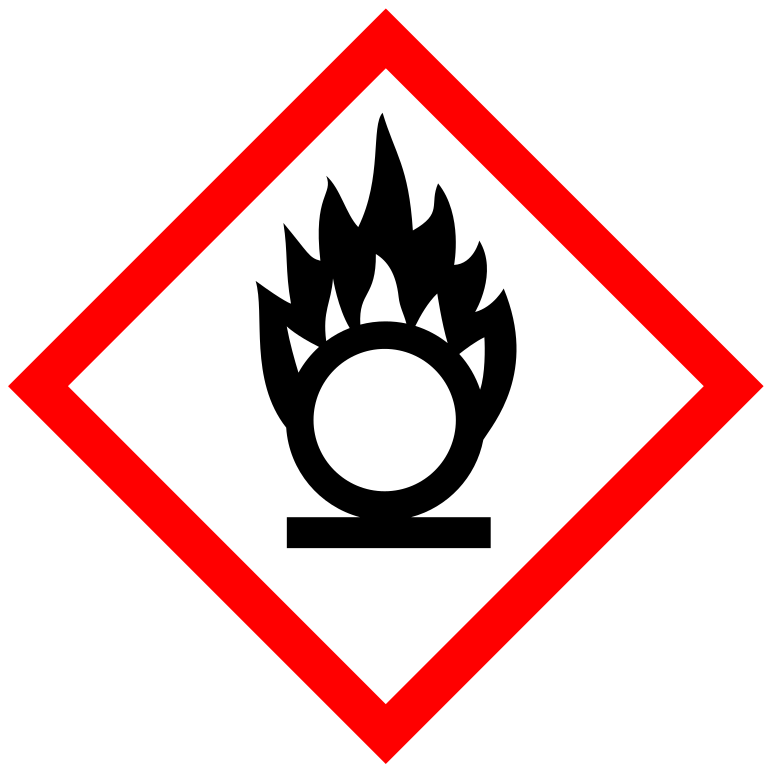
Oxidizing
Oxidizing substances that cause or intensify fires (e.g. hydrogen peroxide 30–35%, potassium permanganate, potassium chlorate).
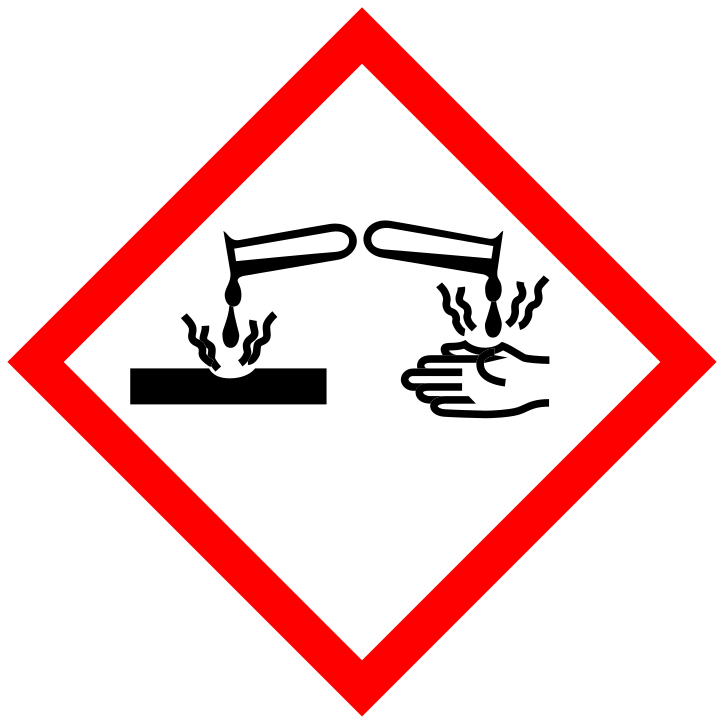
Corrosive
Skin corrosion, severe eye damage, and metal corrosive (e.g. concentrated sulfuric acid, hydrochloric acid, sodium hydroxide).
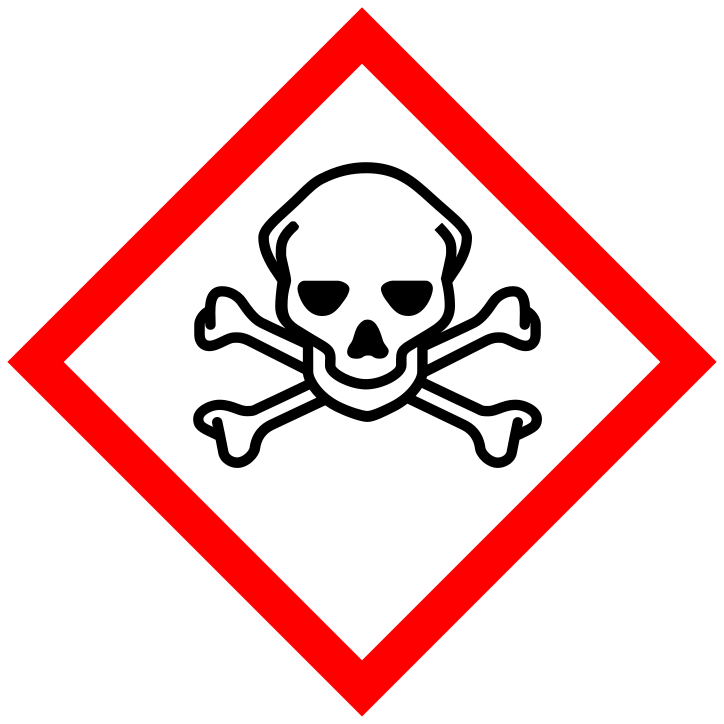
Acute Toxicity
Acute toxicity (Categories 1–3: toxic or fatal if swallowed, in contact with skin or inhaled).
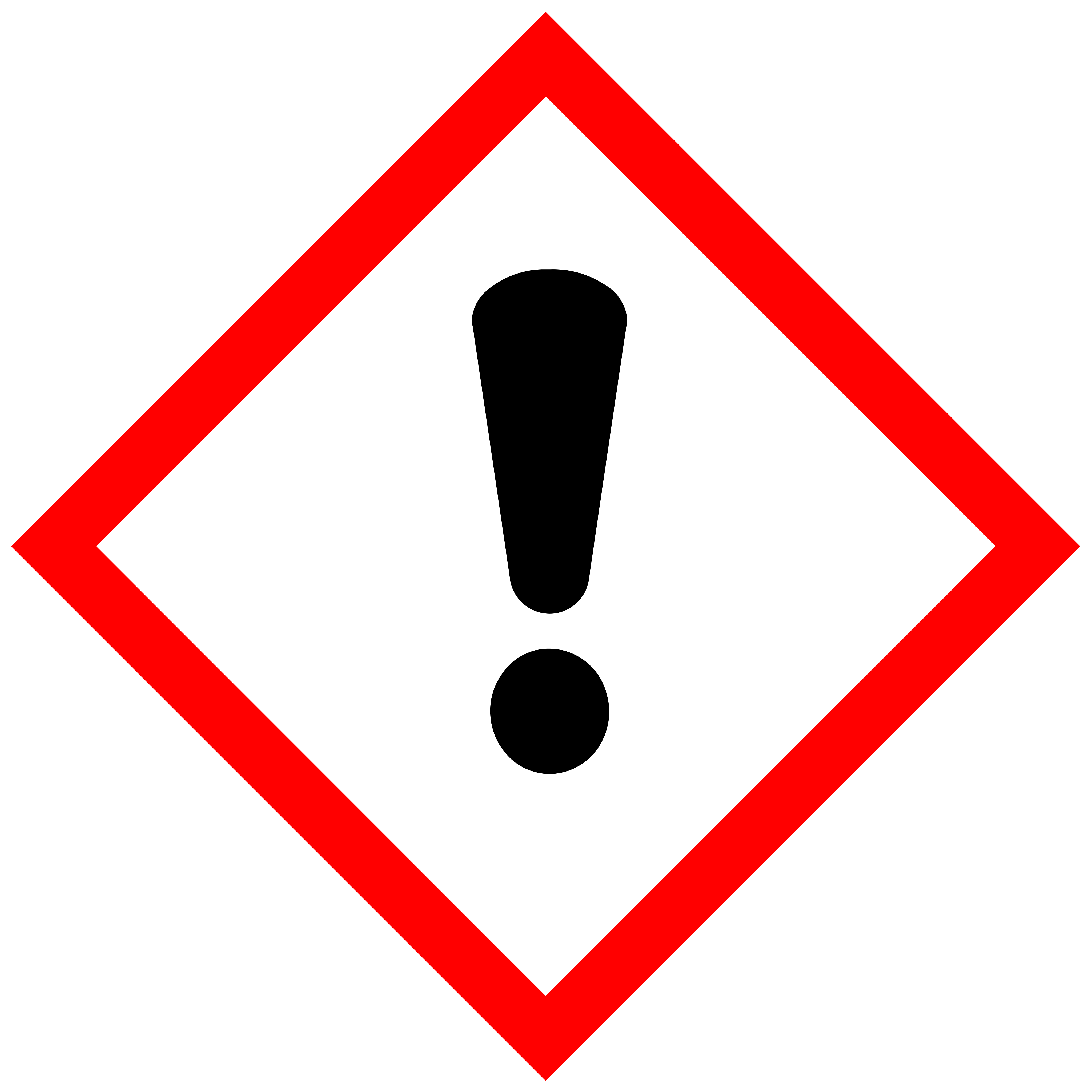
Harmful / Irritant
Skin/eye irritation or harmful if swallowed/inhaled (e.g. copper salts, tin chloride, dilute acids).
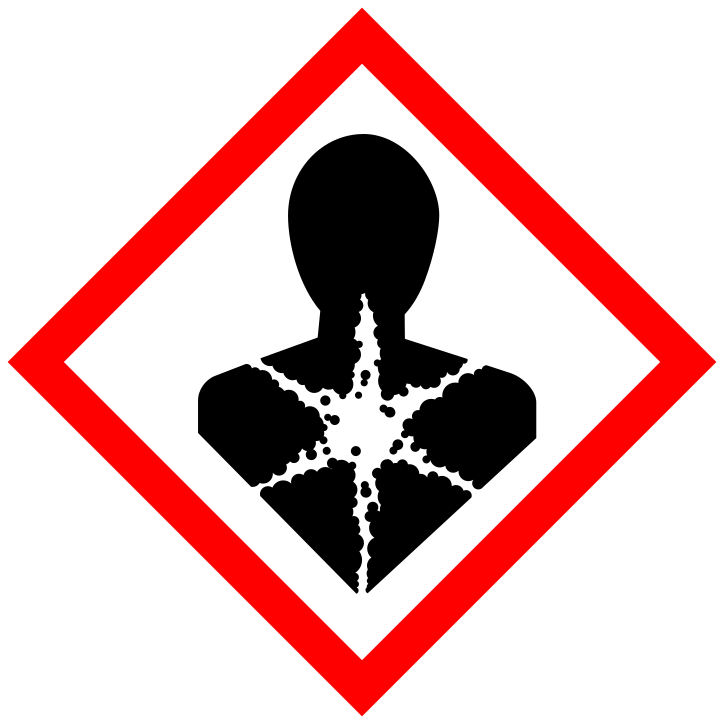
Health Hazard
Serious health hazards (incl. CMR: carcinogenic, mutagenic, reprotoxic; aspiration hazard, respiratory sensitization, specific target organ toxicity).
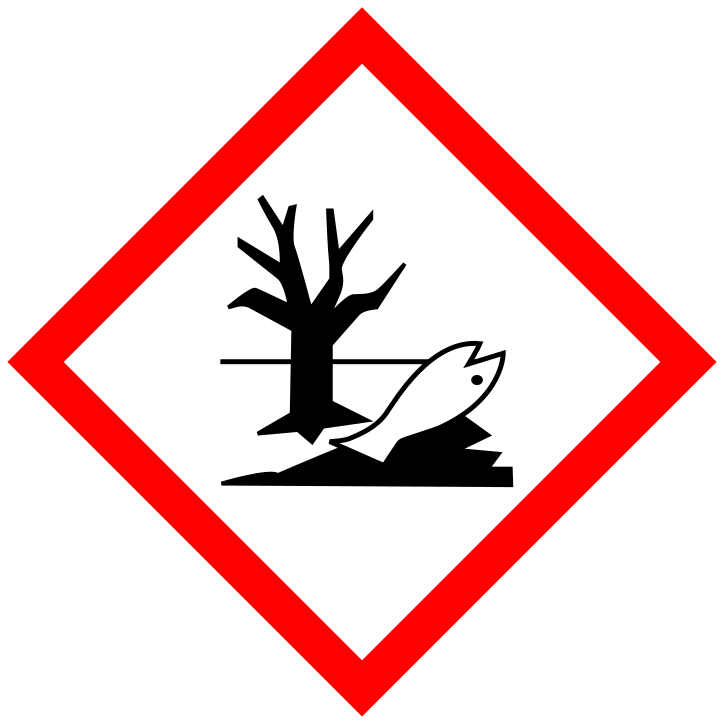
Environmental Hazard
Acute or chronic aquatic toxicity (e.g. heavy metal salts, copper(II) sulfate, iodine residues).
5 Golden Rules for Demonstration Experiments
1. Preliminary Test is Mandatory
Every demonstration experiment must be tested at least once under identical conditions in the laboratory prior to public display to know exact reaction times, heat generation, and pressure behavior.
2. Safe Distance to the Audience
Maintain a minimum safety distance of 2–3 meters from spectators. For spattering or bursting reactions (e.g. underwater flashes, aluminum-iodine volcano), a sturdy mobile blast shield is strictly mandatory.
3. Fumes & Vapors strictly under Hood
Reactions producing nitrous gases, iodine vapors, sulfur dioxide, or acidic aerosols must be performed exclusively under a certified laboratory fume hood.
4. Compliant Hazardous Waste Disposal
Reaction products must be neutralized or detoxified prior to disposal. Heavy metals, halogenated residues, and organic solvents must be transferred to designated chemical waste containers.
5. Full PPE & Emergency Readiness
Safety goggles with side shields and closed cotton lab coats are mandatory for all demonstrators. Fire blanket, dry sand bucket, eyewash station, and emergency shower must be unobstructed and accessible.

EMTO GmbH – Energetic Materials Technology
EMTO GmbH represents premier expertise in thermal analysis, custom chemical synthesis, and safety testing of energetic materials. As a partner of The Chemistry of WOW, we champion passion, precision, and scientific excellence in education across schools and universities.